How we turned a flood of unqualified enquiries into a high-intent sales pipeline for a premium ₹3 Crore villa project — without increasing the ad budget.
Crystal Moonlight Villas is a premium villa project located in Medavakkam, Chennai. The project offers luxury 3 & 4 BHK villas priced around ₹3 Crore.
The objective was simple: Generate qualified enquiries that could convert into site visits and sales.
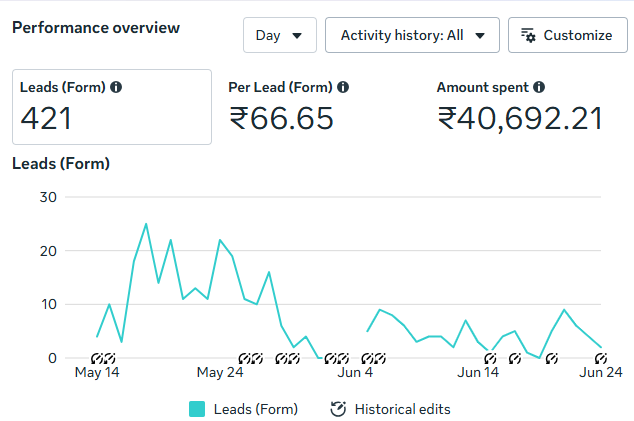
This campaign generated a large number of enquiries while maintaining a low acquisition cost. However, lead quality became our biggest challenge.
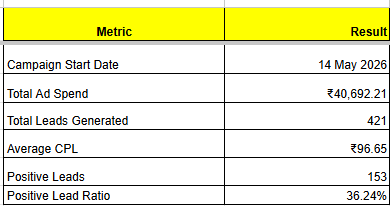
During the first two weeks, the campaign generated 227 leads at an average CPL of ₹66.30.
From Meta Ads Manager, everything looked successful:
But after reviewing the leads with the sales team, we found a different picture. Only 21% of the leads were qualified. Most enquiries were not suitable for a ₹3 Crore premium villa project.
Result: High lead volume, but only 21% qualified. Sales team overwhelmed with unqualified enquiries.
Instead of making random campaign changes, we worked closely with the sales team.
Every week, we reviewed lead feedback and identified why enquiries were getting rejected. Two major problems were found:
Around 30% of the leads were not planning to buy any property. They had submitted the form but had no buying intent.
Around 50% of the leads wanted to purchase property, but their budget was only around ₹1–1.5 Crore. Our project starts at nearly ₹3 Crore.
This showed us that Meta was finding property buyers, but not buyers for this specific project.
Most marketers would increase the budget or completely change the audience. We did neither.
Instead, we improved how Meta understood qualified leads. Our goal changed from getting more leads to getting better leads.
The sales team labelled every lead after follow-up. We marked: Budget Mismatch, Not Looking for Property, and Unqualified Leads.
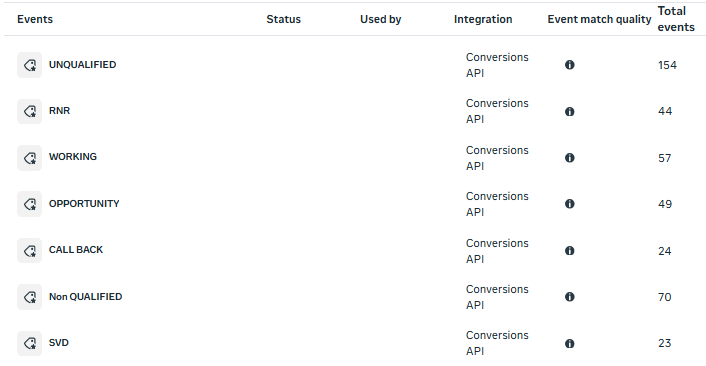
This data was sent back to Meta using Conversions API (CAPI). Instead of optimizing only for form submissions, Meta started learning which leads were valuable for the business.
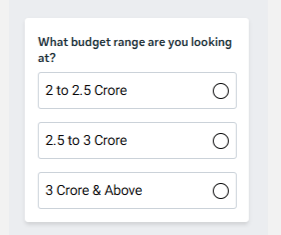
We added one simple question inside the Meta Instant Form: "What is your budget?"
This simple change filtered many low-budget enquiries before they reached the sales team.
Every week we reviewed: Sales feedback, Lead quality, Campaign performance, Form responses, and Site visit ratio.
Small improvements were made every week based on actual sales data.
No increase in budget. No change in target audience. Only continuous optimization.
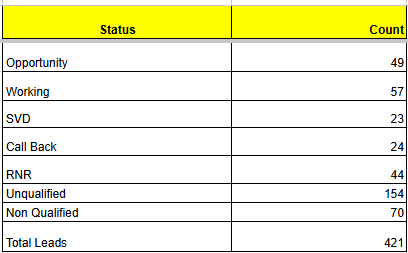
The sales team categorized every enquiry after follow-up.
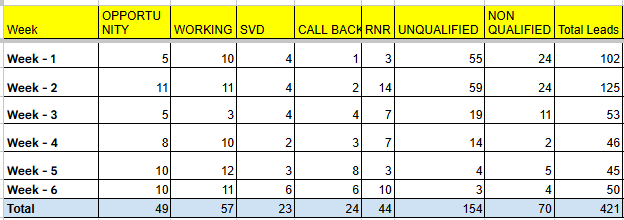
Out of 421 leads:
This breakdown helped us understand exactly where improvements were needed.
The campaign gradually shifted from lead quantity to lead quality.
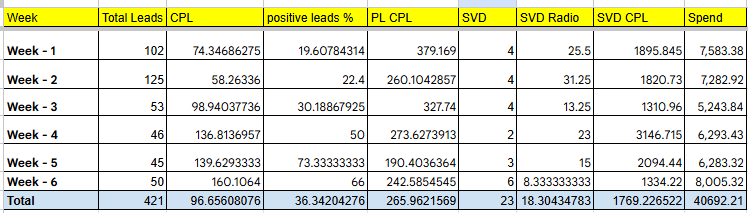
| Week | Leads | CPL | Positive Leads |
|---|---|---|---|
| Week 1 | 102 | ₹74.35 | 19% |
| Week 2 | 125 | ₹58.26 | 22% |
| Week 3 | 53 | ₹98.94 | 30% |
| Week 4 | 46 | ₹136.81 | 50% |
| Week 5 | 45 | ₹139.63 | 73% |
| Week 6 | 50 | ₹160.10 | 66% |
Although CPL increased over time, the percentage of qualified leads improved significantly. For a premium real estate project, lead quality is far more valuable than simply generating a high number of enquiries.
A deeper look at the weekly breakdown of leads and their qualification status.
Each week, the ratio of positive to negative leads improved as our CAPI integration and budget qualification started filtering the right audience.
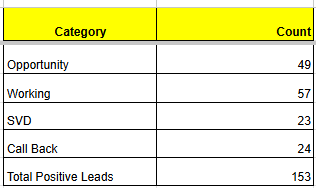
Out of 421 enquiries, we generated 153 positive leads.
These included Opportunities, Working Leads, Site Visits, and Call Back Requests. This created a healthier sales pipeline for the client.
This campaign proved that success is not measured by low CPL alone.
The real success came from improving lead quality. By combining sales team feedback, Meta Conversions API, and better lead qualification, we built a stronger sales pipeline without increasing ad spend.
Instead of chasing more leads, we focused on getting the right leads. That approach helped the client receive more genuine enquiries and better sales opportunities.